
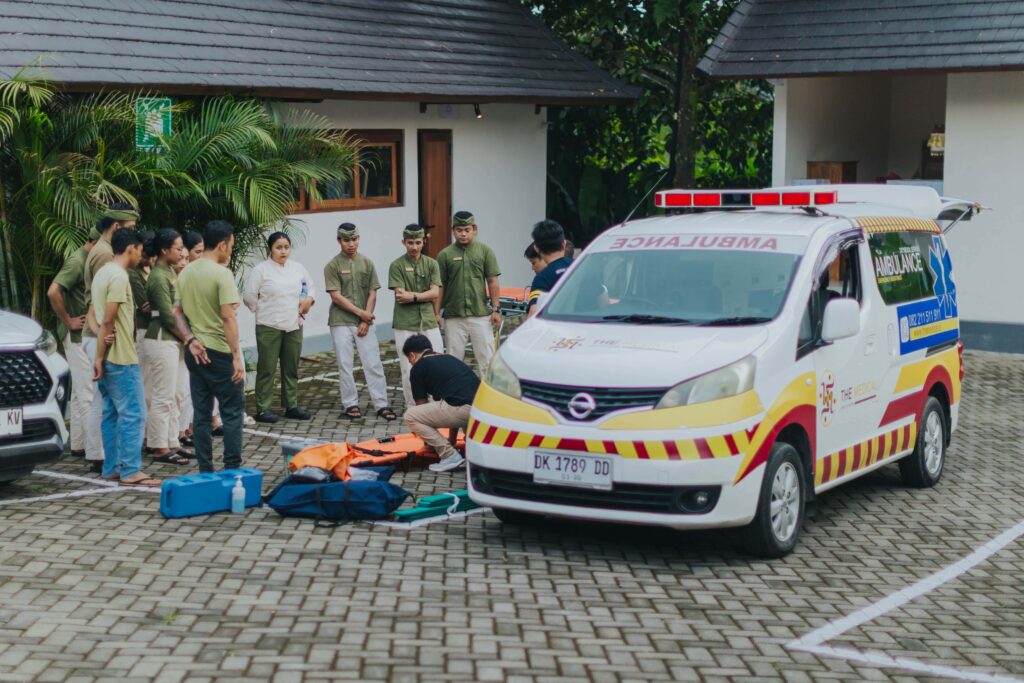
Medical emergencies happen without warning, whether during a relaxing holiday, an outdoor adventure, or a quiet evening at home. Severe allergic reactions, sudden chest discomfort, high fevers, or road accidents demand immediate clinical stabilization and safe transport. Navigating congested island roads in a private car or taxi during an urgent crisis puts patient safety at serious risk.
Accessing dependable ambulance services Bali ensures rapid emergency response, trained onboard medical staff, and direct hospital coordination day or night. Dedicated emergency vehicles bridge the critical gap between the scene of an incident and specialized hospital care. This guide covers how emergency medical transport works across the island, what equipment rides on board, and how to request urgent dispatch immediately.
Situations Requiring Immediate Emergency Medical Transport
Recognizing when a health issue requires professional ambulance transfer rather than standard transport protects lives and prevents complications. Urgent dispatch becomes essential during several critical scenarios:
Severe Trauma and Road Accidents
Scooter collisions, deep lacerations, suspected bone fractures, or head injuries require spinal immobilization, bleeding control, and pain management before moving the patient.
Acute Cardiac or Respiratory Distress
Sudden chest pain, shortness of breath, severe asthma attacks, or sudden dizziness demand continuous oxygen therapy and heart monitoring en route to an emergency room.
High Fever and Severe Dehydration
Extreme heatstroke, persistent vomiting, or dangerous dengue fever symptoms often require immediate intravenous fluid stabilization during transit.
Sudden Allergic Reactions and Fainting
Severe anaphylaxis or sudden loss of consciousness requires rapid medication administration and airway support from trained emergency personnel.
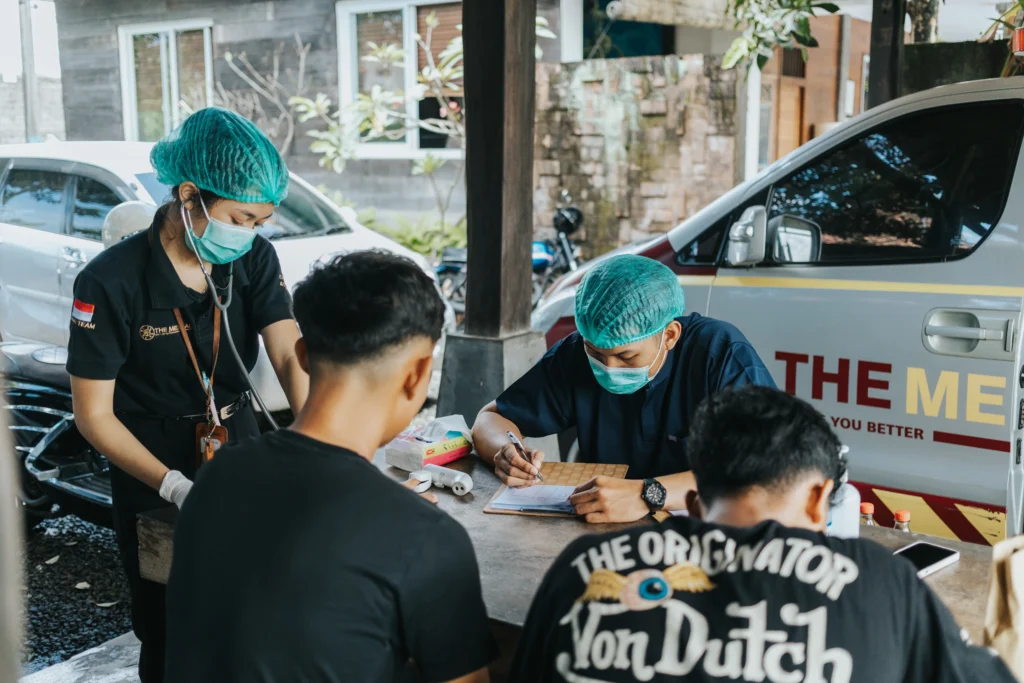
Inside Emergency Medical Vehicles The Medical
Professional emergency transport functions as a moving treatment room rather than a simple passenger van. Reputable ambulance services Bali providers equip every unit to stabilize patients from the moment medics arrive on scene:
Onboard Clinical Team
Each dispatch includes emergency-trained doctors or paramedics alongside skilled drivers familiar with local traffic shortcuts. Medical staff monitor vital signs continuously, administer emergency medications, and communicate directly with receiving hospital teams.
Life-Support and Monitoring Equipment
Vehicles carry cardiac defibrillators, portable oxygen tanks, pulse oximeters, blood pressure monitors, and suction devices. Intravenous infusion setups allow medics to begin fluid resuscitation immediately while moving through traffic.
Safe Patient Stabilization Gear
Stretchers, cervical collars, splints, and sterile trauma kits keep injured individuals secure and comfortable over uneven island roads. Proper immobilization prevents secondary injuries during sudden stops or turns.
Hospital Transfers and Airport Medical Escorts
Beyond street-level emergencies, coordinated medical transport supports planned clinical movements across Bali:
| Transfer Type | How the Service Operates | Who Benefits Most |
| Clinic-to-Hospital Escalation | Direct transfer from outpatient clinics in Ubud, Canggu, Berawa, or Pererenan to major tertiary hospitals for surgery or inpatient admission. | Patients requiring specialized imaging, intensive care, or surgical intervention after initial evaluation. |
| Inter-Hospital Transfers | Safe, medically supervised transport between local clinics and international-standard hospitals in Denpasar or Nusa Dua. | Individuals upgrading facilities for insurance coverage or specialized specialist care. |
| Airport Medical Evacuations | Coordinated tarmac or terminal transfer with onboard medical supervision for patients flying home for continued recovery. | Injured or recovering travelers requiring stretchers, oxygen, or clinical monitoring before commercial or air-ambulance flights. |
Steps to Take While Waiting for the Ambulance
Staying calm and taking a few practical actions helps emergency dispatchers reach your exact location faster:
- Share exact location pins: Send a live map link alongside hotel names, villa landmarks, or street numbers so drivers avoid wrong turns in narrow alleys.
- Describe symptoms clearly: Tell the dispatcher whether the patient is conscious, breathing comfortably, bleeding, or experiencing severe pain so medics bring specific gear.
- Clear access pathways: Unlock villa gates, notify hotel security staff, and keep hallways clear so stretchers can enter and exit smoothly.
- Gather identification and insurance details: Keep passports, travel insurance policies, and current medication lists ready to speed up hospital admission upon arrival.
Direct Emergency Contact for The Medical Bali
Rapid response depends on clear communication and strategic regional coverage. The Medical Bali coordinates 24/7 emergency assistance alongside outpatient hubs in Ubud, Canggu, Berawa, and Pererenan.
- Email: admin@themedical.id
- Phone: +62 82 211 511 911
- Clinic Locations: Ubud, Canggu, Berawa, Pererenan
Conclusion
Serious injuries and sudden medical crises require calm, trained professionals and properly equipped vehicles. Relying on trusted ambulance services Bali guarantees immediate onboard stabilization, safe routing through island traffic, and seamless hospital handovers at any hour.
Whether facing an urgent roadside injury, acute illness, or scheduled hospital transfer, dedicated emergency teams remain ready day and night.
Never take risks with personal safety during a medical emergency. Need immediate dispatch from reliable ambulance services Bali right now contact the 24/7 emergency desk at The Medical Bali via WhatsApp for urgent assistance.